

Nail art is made of various materials. Nail art made of different materials has different wearing methods, advantages and disadvantages.
Below are some common materials for false nails and their features:
1、ABS Material
Characteristics: ABS is a common engineering plastic with good toughness and strength, as well as certain elasticity and breathability. However, in terms of transparency, toughness, elasticity, and comfort, ABS material may not be as good as other materials. Additionally, it is prone to scratches and paint peeling.
Application: Suitable for users with limited budgets or those who have low requirements for wearable nails.
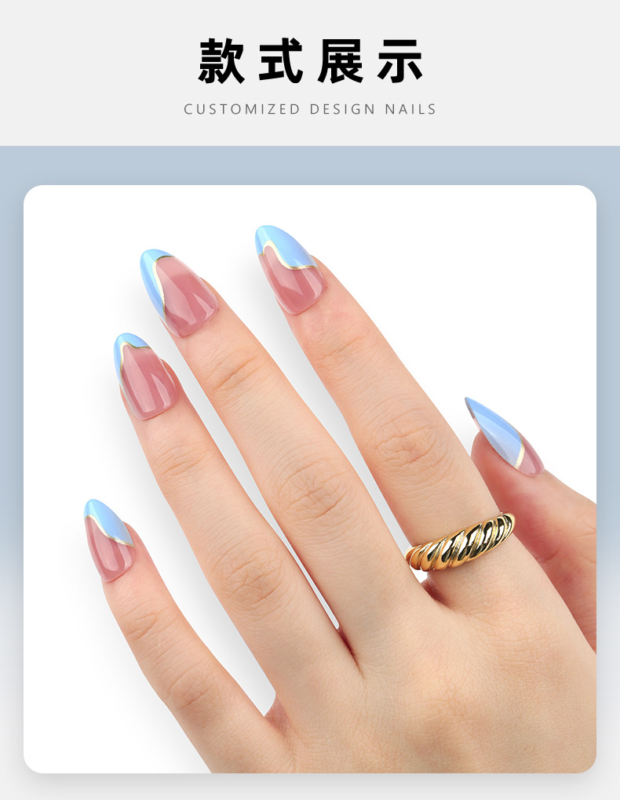
2、PMMA Material
Characteristics: PMMA is a highly transparent, tough, and elastic material that is similar in hardness and flexibility to human nails, making it very comfortable to wear. It is resistant to wear and deformation, and the colors appear vivid and true to their original hue after being dyed, giving it a high-end texture.
Application: Suitable for users who pursue a high-quality wearable nail experience and is ideal for daily wear.
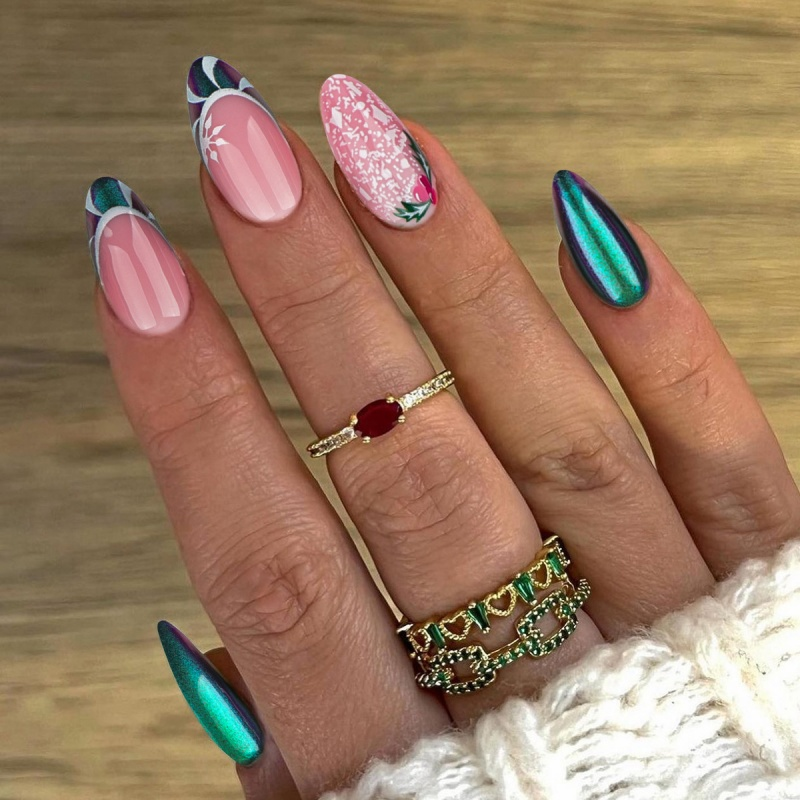
3、TPE Material
Characteristics: TPE is a thermoplastic elastomer with excellent elasticity and flexibility, as well as certain wear resistance and durability.
Application: Suitable for users who require elasticity and comfort.
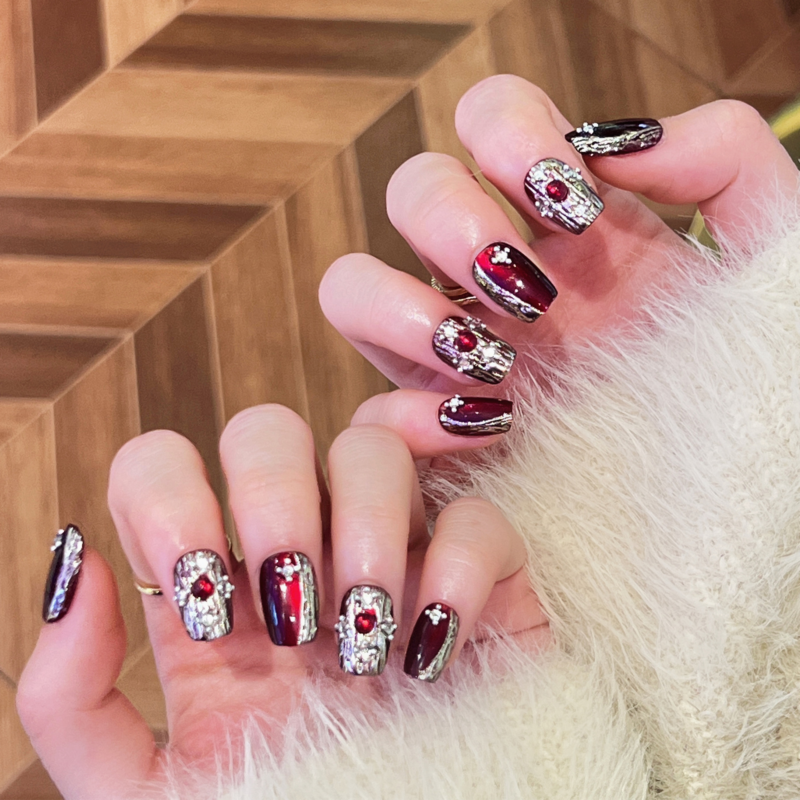
4、Silicone Material
Characteristics: Silicone is a soft, wear-resistant, high-temperature resistant, and chemically corrosion-resistant material. It is comfortable to wear and not easily deformed, but its transparency may not be as good as PMMA material.
Application: Suitable for users who need to wear nails for extended periods or have specific requirements for the material.
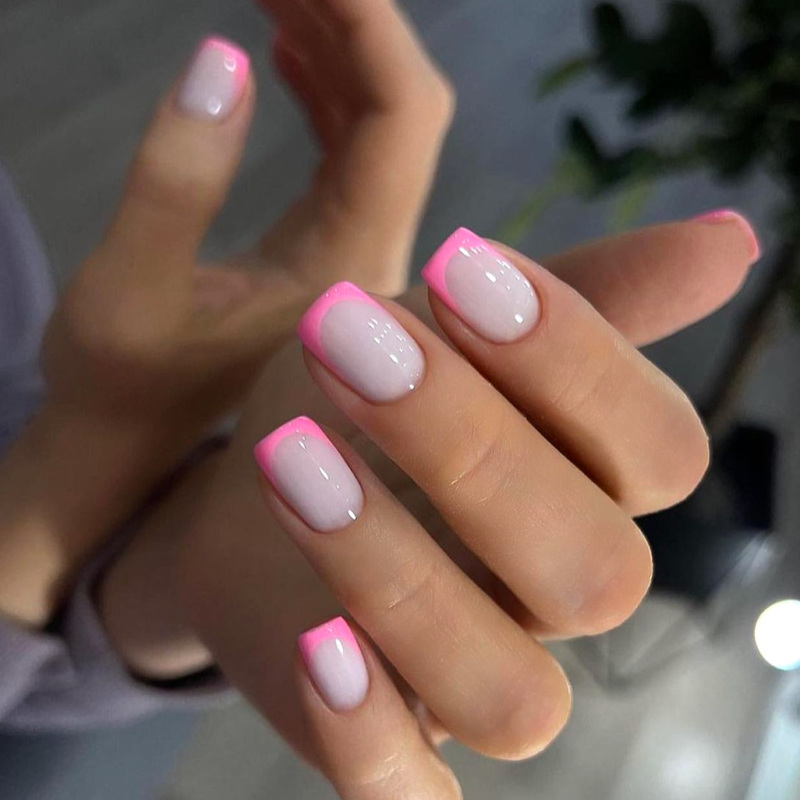
5、Other Materials
In addition to the aforementioned common materials, there are some other materials for false nails, such as plastic, tortoiseshell (but note that tortoiseshell comes from endangered species, so it is not recommended to purchase or use it), pangolin (also an endangered species, and its use is strongly opposed), and ivory (extremely expensive and involves wildlife protection issues, so it is also not recommended to purchase or use it). However, these materials are either outdated (such as plastic) or pose serious ethical and environmental issues (such as tortoiseshell, pangolin, and ivory).
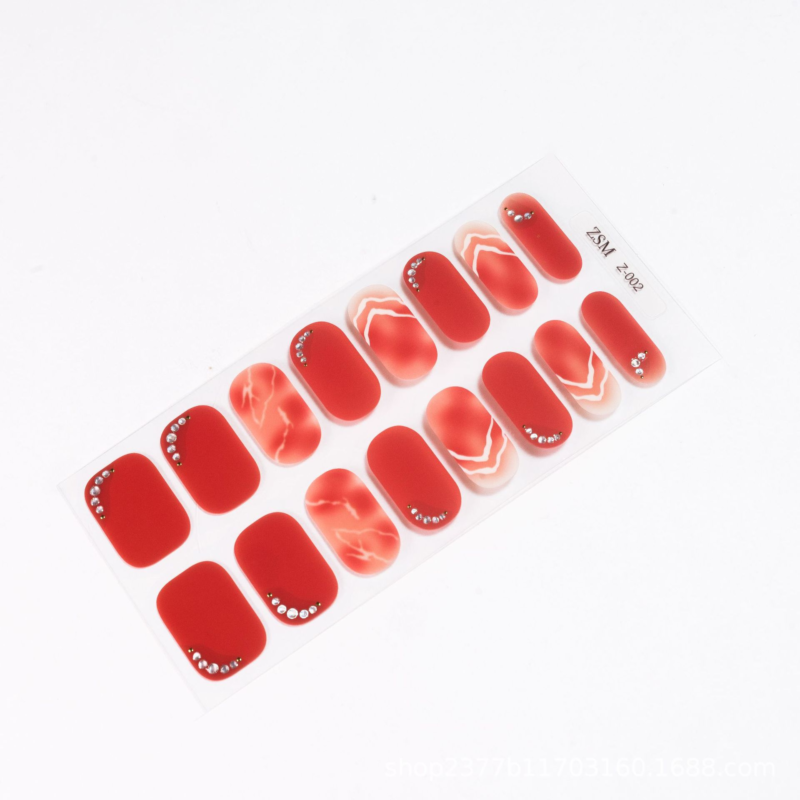
In summary, when choosing false nails, one should select the appropriate material based on their needs and budget. At the same time, attention should also be paid to the safety and environmental friendliness of the material, avoiding choices that may harm personal health and the environment.