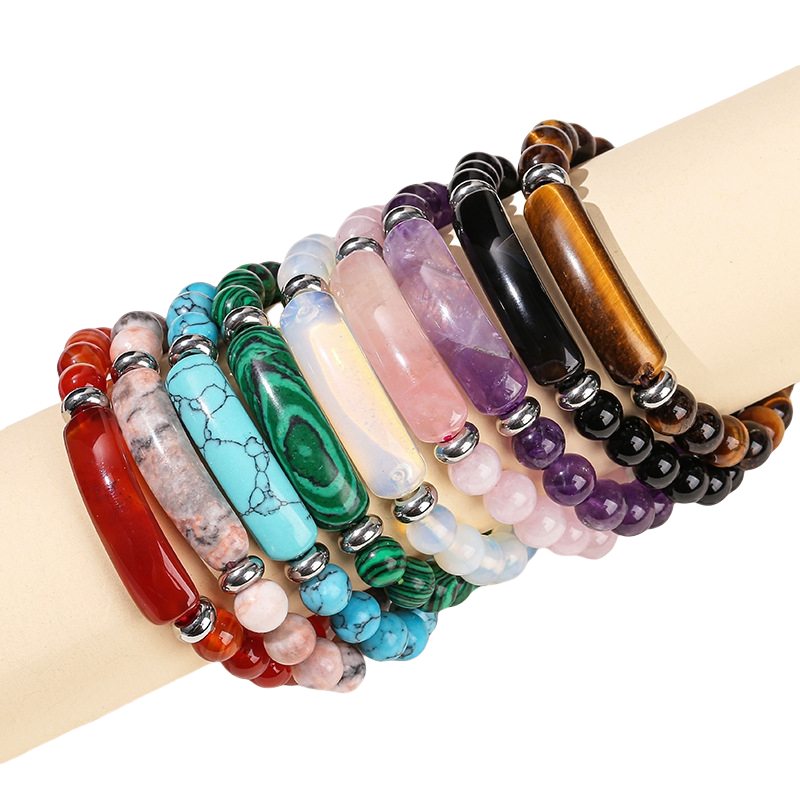

In Chinese culture, jade and crystal accessories are believed to protect individuals and bring peace and happiness. This belief is deeply rooted in historical traditions, philosophical thought, folk religion, and nature worship. Below is a detailed analysis of their cultural significance:
1. Historical Roots and Nature Worship
- The Sacredness of Jade:
Chinese jade culture dates back to the Neolithic era (e.g., jade dragons from the Hongshan Culture and jade cong from the Liangzhu Culture). Jade was regarded as the “essence of heaven and earth,” a medium connecting humans and the divine. Ancient rulers used jade ritual objects (such as the “Six Ritual Jades”: bi, cong, gui, zhang, huang, and hu) to worship heaven and earth, elevating jade to a divine status.
The Shuowen Jiezi (an ancient Chinese dictionary) describes jade as “a beautiful stone with five virtues,” linking its physical properties to Confucian ethics and solidifying its cultural essence. - The Energy Belief in Crystals:
Crystals, with their transparency and varied colors, were seen by ancient Chinese as “the essence of ice” or “condensed water.” The Compendium of Materia Medica (Bencao Gangmu) records that crystals could “calm the soul and sharpen the senses.” Their clarity was thought to absorb cosmic energy and dispel negativity, forming a belief in their “protective energy field.”
2. Confucian Ethics and the Moral Symbolism of Jade
- Jade as a Metaphor for Virtue:
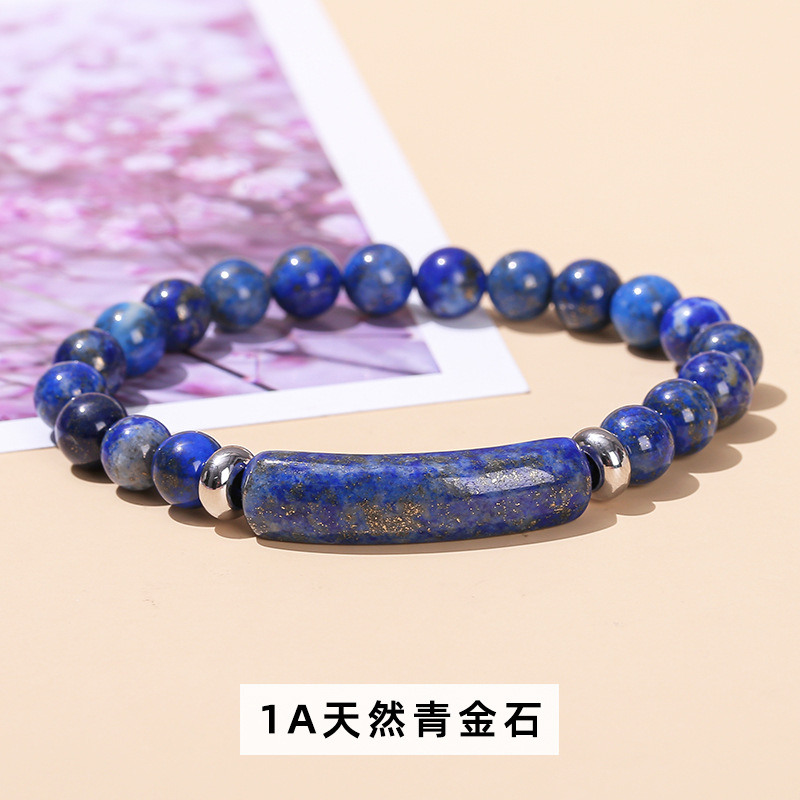
Confucianism aligned jade’s physical traits (gentleness, hardness, flaws not obscuring beauty) with the virtues of a noble person. Confucius attributed “eleven virtues” to jade (Book of Rites), such as “its gentleness and luster represent benevolence” and “its density represents wisdom.” Wearing jade became a symbol of moral cultivation, embodying aspirations for self-improvement and family harmony, which evolved into the belief that jade “protects its wearer.” - Status and Auspiciousness:
Jade artifacts symbolized social hierarchy (e.g., the imperial seal representing royal authority). Commoners wearing jade accessories aspired to embody “noble character.” Jade’s rarity also made it an auspicious object—seen in the Han Dynasty’s “jade burial suits” for immortality and folk legends of “jade warding off disasters.”
3. Taoist and Folk Spiritual Beliefs
- Taoist Immortality and Jade:
Taoists considered jade a “divine substance” (Baopuzi mentions “jade as the food of immortals”) and used it in rituals as a spiritual tool. This belief permeated folk culture, turning jade into a talisman to “repel evil spirits.” - Crystals in Feng Shui:
In Feng Shui, crystals are used to balance energy fields. Examples include: - Clear Quartz: Purifies energy and enhances focus (placed in study areas).
- Amethyst: Boosts wisdom and emotional stability (used in offices).
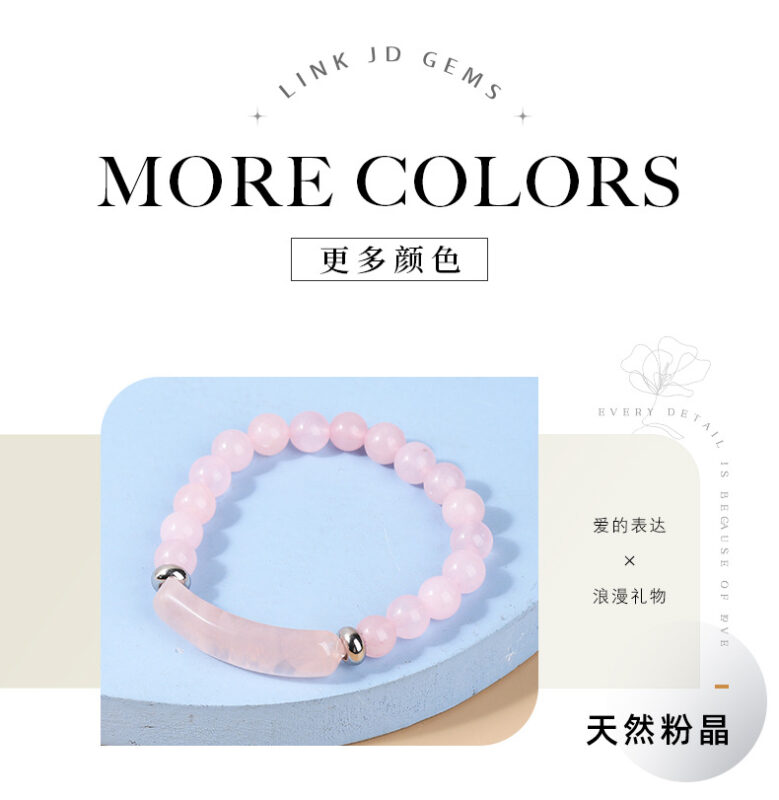
- Rose Quartz: Attracts love and harmony (placed in bedrooms).
Such functional classifications reinforce the belief in crystals’ ability to “improve fortune.”
4. Traditional Medicine and Practical Beliefs
- Jade’s “Health Benefits”:
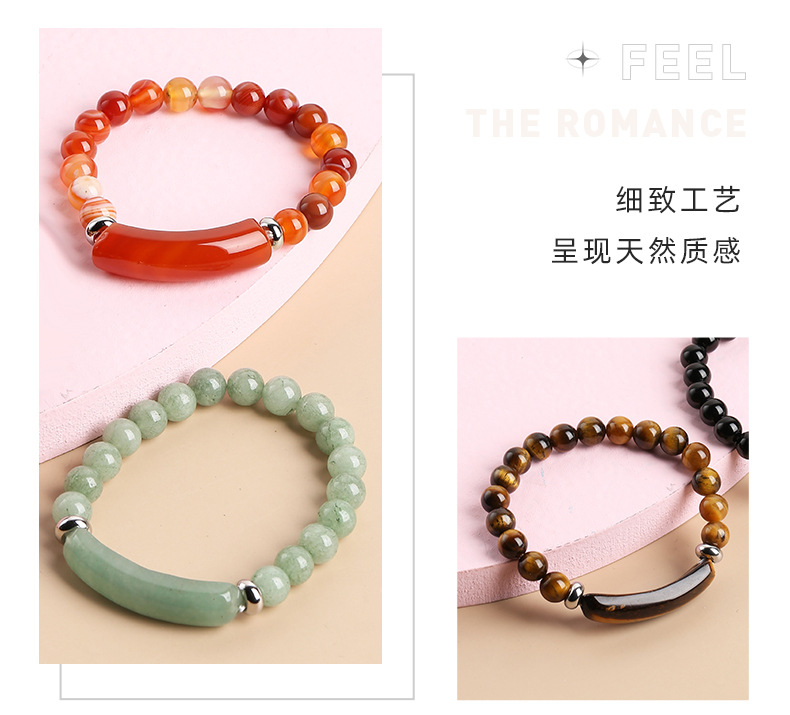
Traditional Chinese medicine views jade as “neutral in nature,” believing that friction from wearing it can “stimulate meridians” and improve blood flow. For example, jade pillows were used for better sleep, and jade bracelets worn near the “Neiguan acupoint” align with acupuncture theory. - Crystals’ “Healing Properties”:
Ancient observations of crystals’ piezoelectric effects (generating charge under pressure) were mystified as “energy release.” Different colors were linked to healing—e.g., citrine for digestion. Though lacking scientific basis, these ideas became cultural consensus.
5. Literary and Folkloric Reinforcement
- Myths and Literary Symbols:
In Dream of the Red Chamber, the “Magic Jade” symbolizes the protagonist’s life force. The Classic of Mountains and Seas describes jade as granting immortality. Such narratives reinforce jade’s sacred status.
Folk tales of “jade breaking to avert disaster” (e.g., a cracked bracelet believed to save its owner) became collective memories. - Rituals and Gifting Customs:
Practices like newborns wearing jade locks (“longevity locks”) or jade being part of wedding dowries tie the stone to life milestones, symbolizing “protection throughout life.”
6. Modern Continuity and Adaptation
- Commercialization of Tradition:
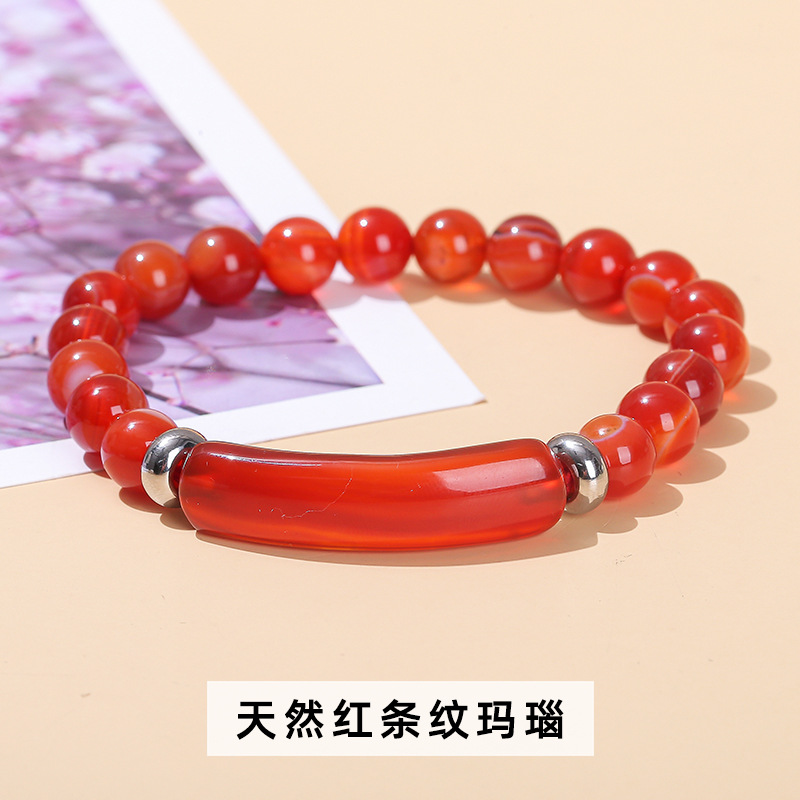
Contemporary jewelers merge traditional motifs (e.g., “peace knots” or “ruyi” scepters) with modern desires for “luck” or “wealth,” revitalizing ancient symbols through marketing narratives like “men wear Guanyin, women wear Buddha.” - New Age Spiritual Demand:
In fast-paced societies, crystals’ “energy healing” concepts are repackaged as urban spiritual remedies, fueling trends in “metaphysical consumerism.”
Conclusion: The Multidimensional Symbolism
The belief in jade and crystals as protectors stems from the Chinese worldview of “harmony between heaven and humanity” and the interconnectedness of matter and spirit. These objects serve as ethical symbols, natural talismans, and psychological comforts. Through millennia of cultural layering, they remain vibrant, bridging tradition and modernity.