

The materials of luggage vary greatly, each with its unique characteristics and suitable scenarios. Below are some common luggage materials and their features:
ABS Material:
Characteristics: ABS is a rigid engineering plastic that produces luggage with a smooth surface and solid texture. It is affordable, highly impact-resistant, lightweight, and structurally stable, resistant to deformation.
Suitable Scenarios: Ideal for travelers with a moderate budget who value cost-effectiveness and need lightweight, durable luggage, particularly suitable for short to medium-distance travel.
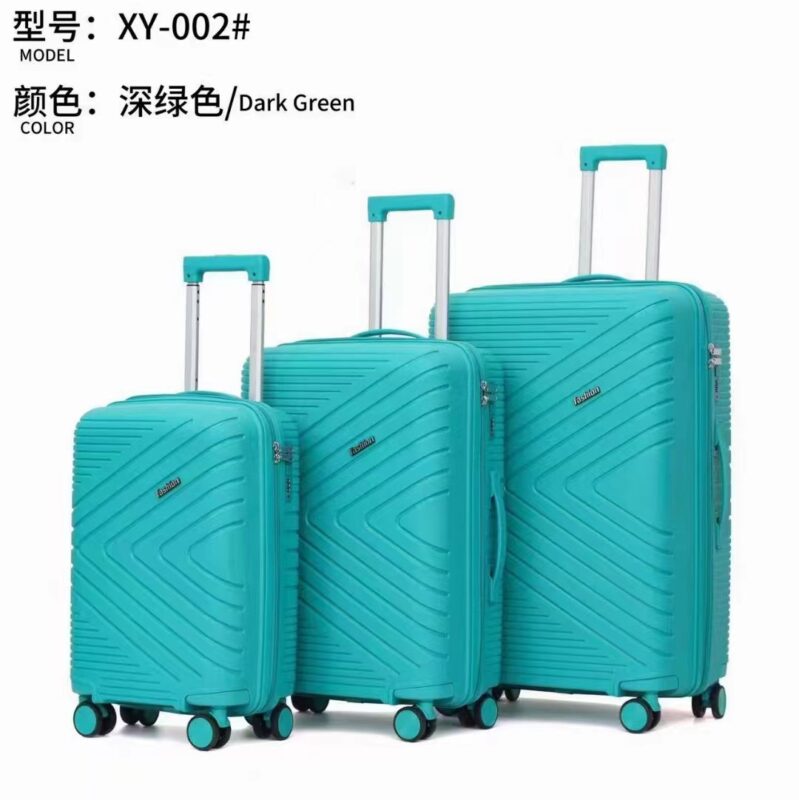
PC Material (Polycarbonate):
Characteristics: PC material is of high quality, strong toughness, and excellent compression resistance. It can withstand significant impact, is lightweight, and resistant to deformation. It also has outstanding high and low-temperature resistance and is not prone to fading.
Suitable Scenarios: Suitable for passengers who prioritize luggage strength, frequently travel long distances, or have higher requirements for appearance design.

ABS+PC Material:
Characteristics: This material combines the hardness of ABS with the toughness of PC, enhancing durability and offering excellent value for money.
Suitable Scenarios: Suitable for travelers who pursue a balance between durability and cost-effectiveness and have frequent travel needs.
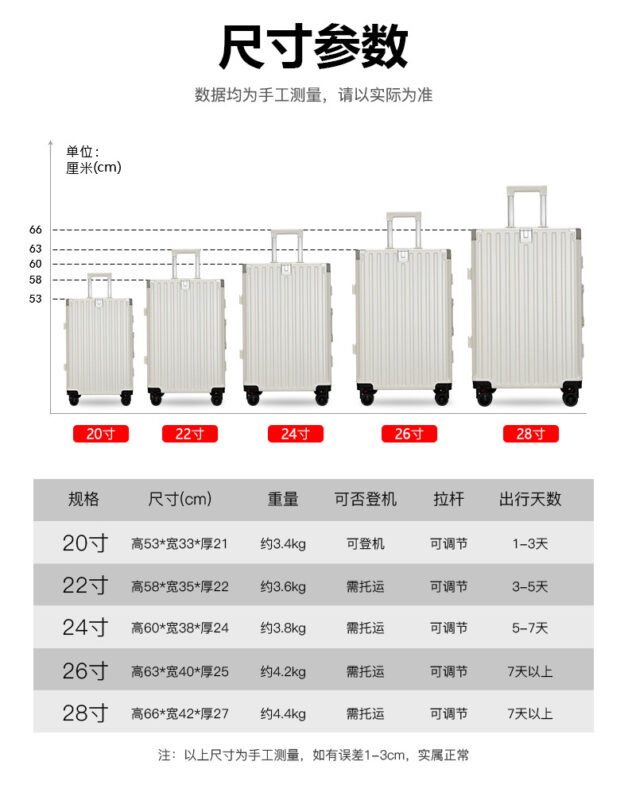
Aluminum-Magnesium Alloy Material:
Characteristics: Aluminum-magnesium alloy is sturdy yet lightweight, with ultra-high strength, top-notch compression and impact resistance, and a long service life. It also features a unique metallic luster, exuding elegance.
Suitable Scenarios: Suitable for business elites or high-end users who have high expectations for luggage quality, are price-insensitive, and travel frequently.
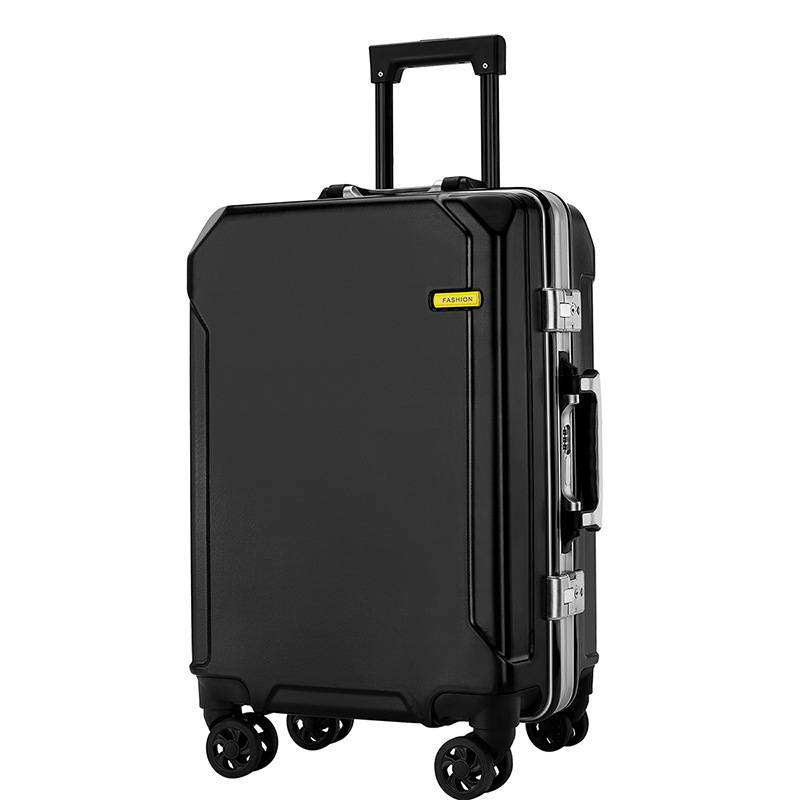
Oxford Cloth Material:
Characteristics: Oxford cloth is soft and expandable, commonly used for making soft-shell luggage. It has certain waterproof and wear-resistant properties but limited compression and impact resistance compared to hard-shell luggage.
Suitable Scenarios: Suitable for business people or travelers who need lightweight, expandable luggage.
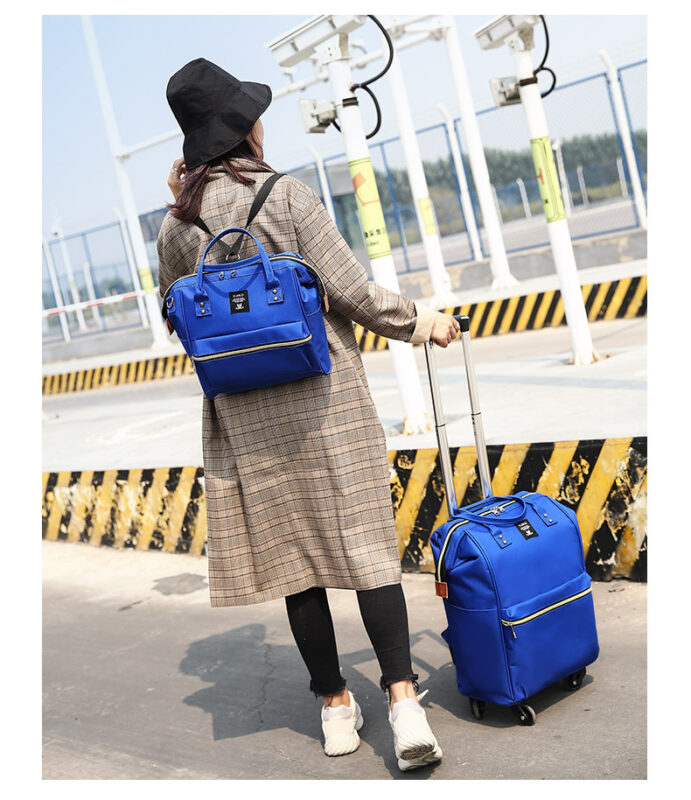
Nylon and Polyester Fiber:
Characteristics: Both nylon and polyester fiber have good elasticity and abrasion resistance. Nylon can expand in space, while polyester fiber is more wear-resistant. However, both may sustain some damage during checked baggage handling.
Suitable Scenarios: Suitable for travelers who have moderate requirements for luggage material and are willing to accept a certain level of damage risk.
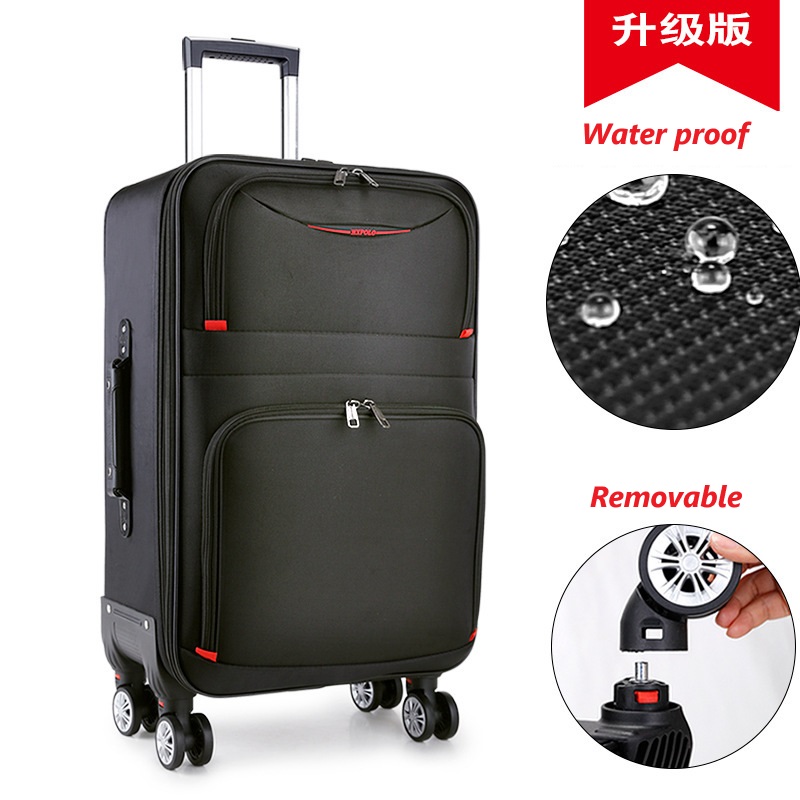
Additionally, some luggage uses TPE, PP, and other materials, which are relatively less common and have varying characteristics. When choosing luggage, besides considering the material, it is also important to pay attention to the quality of the wheels, the adjustability of the telescoping handle, the rationality of the internal structure, and the smoothness of the zippers.
In summary, each luggage material has its unique advantages and suitable scenarios. When choosing, one should consider their travel needs, budget, and expectations for the luggage comprehensively.