

The maintenance of luggage is crucial for ensuring its long-term use and maintaining its good appearance. Below are some detailed methods for luggage maintenance:
I. External Cleaning
Daily Cleaning: Use a damp cloth or soft brush to gently wipe away dust and dirt from the surface of the luggage. For stubborn stains, first moisten the area with a damp cloth, then gently wipe with warm water and a neutral cleaner, and finally dry with a clean cloth. Avoid using bleach or cleaners containing bleach to prevent damage to the surface material of the luggage.
Removing Adhesive Residue: If there is adhesive residue left by stickers on the surface of the luggage, use a hair dryer to heat the sticker, which will make it easier to remove the residue. After removal, gently wipe the area with an eraser to ensure the surface is clean and free of marks.
Avoiding Collisions: In crowded places such as train stations and airports, be particularly careful to protect the luggage and avoid collisions with hard objects to prevent scratches or deformation.
II. Internal Cleaning
Cleaning with Warm Water and Detergent: Gently wipe the interior of the luggage with warm water and detergent to ensure it is clean and tidy. If there is an odor inside, place a deodorizer or use a household deodorizing spray.
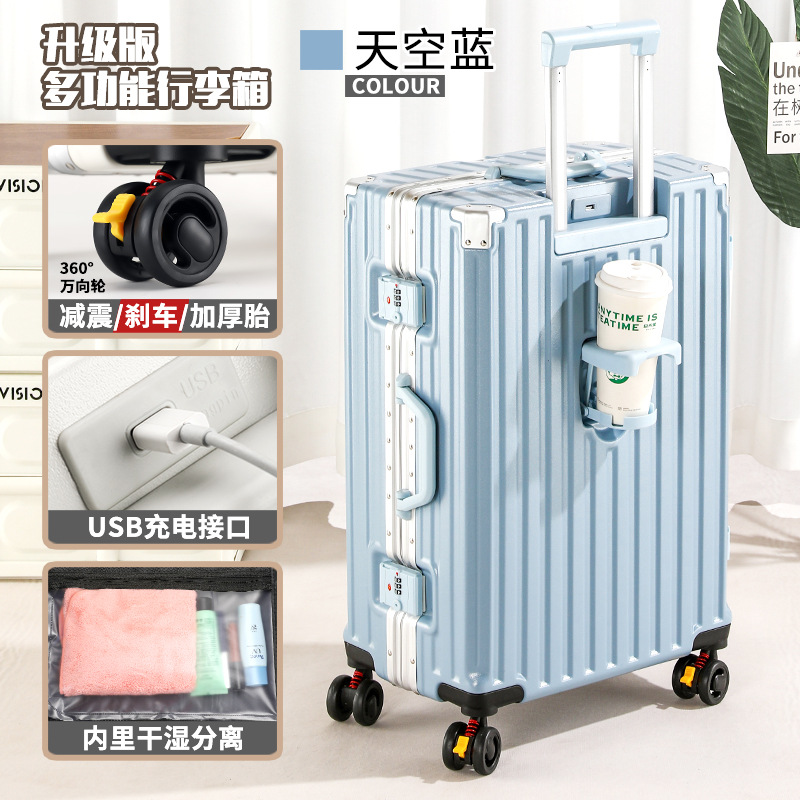
Checking Wheels and Handles: While cleaning the interior, also check if the wheels and handles are smooth. If the wheels make abnormal noises or are not flexible, use some lubricant to repair them.
III. Component Maintenance
Metal Component Maintenance: It is best not to use any cleaner to wipe the metal components inside and outside the luggage to avoid damaging their outer coating or causing oxidation and rust. After cleaning, dry the metal parts with a dry cloth.
Wheel Maintenance: Regularly check if the wheels are damaged or have debris stuck in them, and clean them in a timely manner. When not in use for a long time, add some lubricant to the wheel axles to prevent rust.

IV. Storage Precautions
Dry and Ventilated: When storing luggage, choose a dry and ventilated place, avoiding direct sunlight and humidity. Direct sunlight can accelerate the aging of the luggage, while a humid environment may lead to mold and odor.
Avoiding Heavy Pressure: When storing luggage, avoid placing heavy objects on top to prevent deformation of the luggage. Also, do not use the luggage as a storage box, as storing too many clothes can put excessive pressure on the wheels or feet, causing deformation.
Keeping Closed: During storage, keep the luggage in a well-closed state to prevent deformation of the lid connections. Adjust the combination lock and lock hole to the initial position to avoid forgetting the password when using it later.

V. Other Precautions
Avoiding High Temperatures and Corrosive Substances: Avoid placing the luggage in high-temperature environments, such as next to a stove or in direct sunlight. Also, avoid contact with strong acids, alkalis, and other corrosive substances to prevent damage to the luggage material.
Regular Inspections: Regularly check if the zippers, buckles, wheels, and other components of the luggage are in good condition, and replace or repair them promptly if damaged.
By following these maintenance methods, you can extend the lifespan of your luggage and keep it in optimal condition in terms of appearance and functionality. Perform appropriate maintenance on your luggage before and after each trip to ensure it is always in the best condition.