

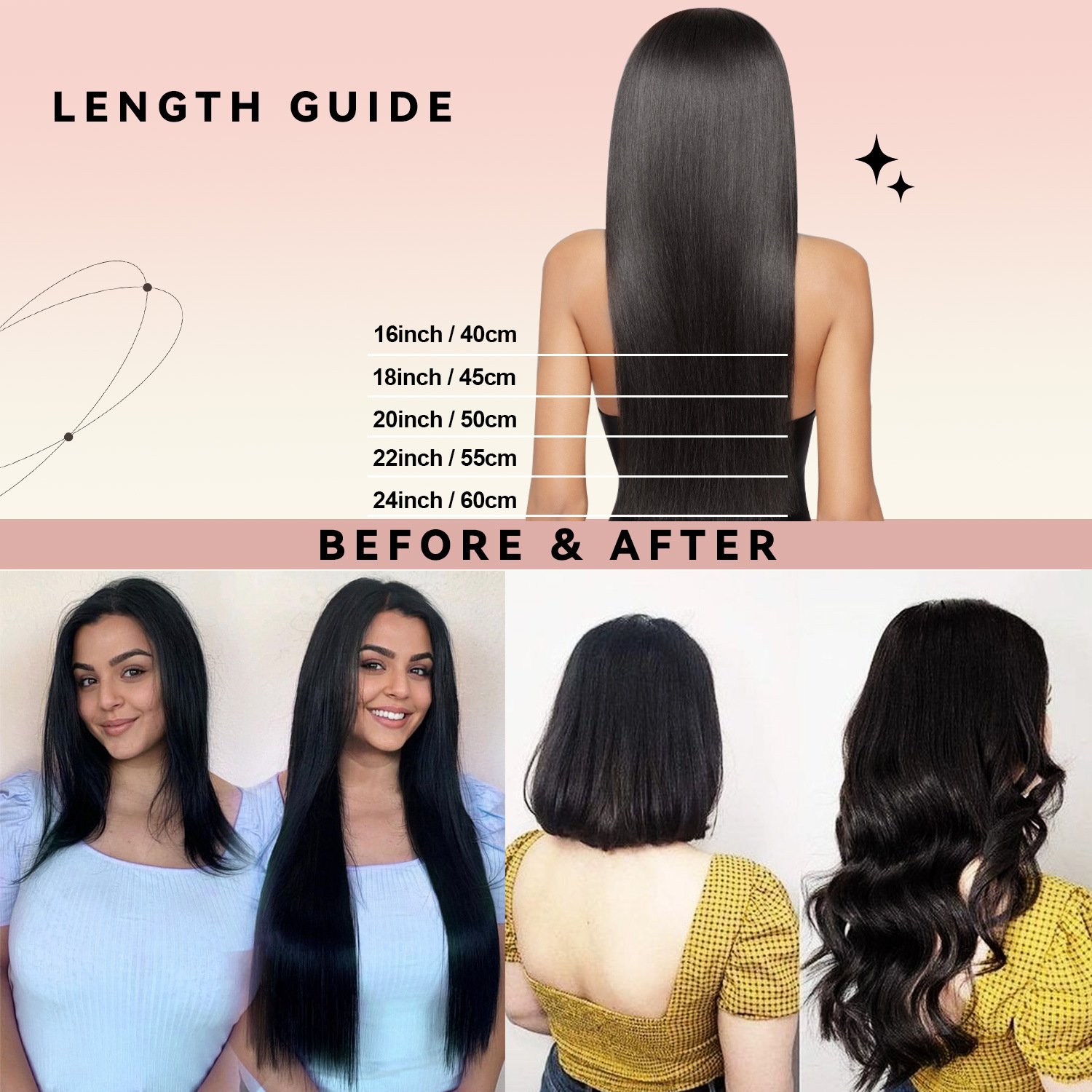
The materials for wigs are diverse, mainly including the following categories:
I. Synthetic Fiber
Synthetic fiber is a common material in wigs, with various types, mainly including the following:
Normal Temperature Fiber: This material is low in cost but prone to deformation and not easy to manage. It is suitable for one-time styling or temporary wear, such as attending parties or events. Normal temperature fiber has natural-looking strands and high realism, but it is relatively inexpensive, making it suitable for consumers with limited budgets.
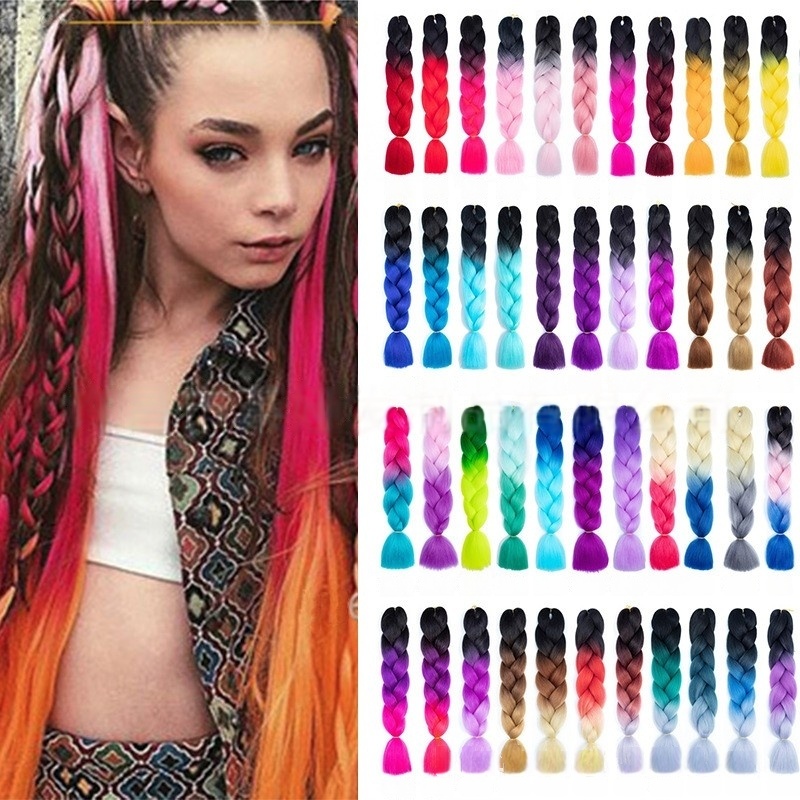
High-Temperature Fiber: This material is resistant to high temperatures and can be permed and dyed within a temperature range of 100°C to 180°C, with high realism. It is suitable for occasions where frequent changes in hairstyles or perming and dyeing are needed, such as photo shoots or stage performances. High-temperature fiber wigs are easy to manage and maintain their appearance, but they require care to extend their lifespan.
Protein Fiber: This is a high-quality synthetic fiber with high realism and a texture close to human hair, often used in high-end wigs. It is suitable for occasions where extreme realism and comfort are pursued, such as daily wear or important meetings. However, it should be noted that some protein fiber materials are flammable and cannot be permed or dyed, so careful selection is required.
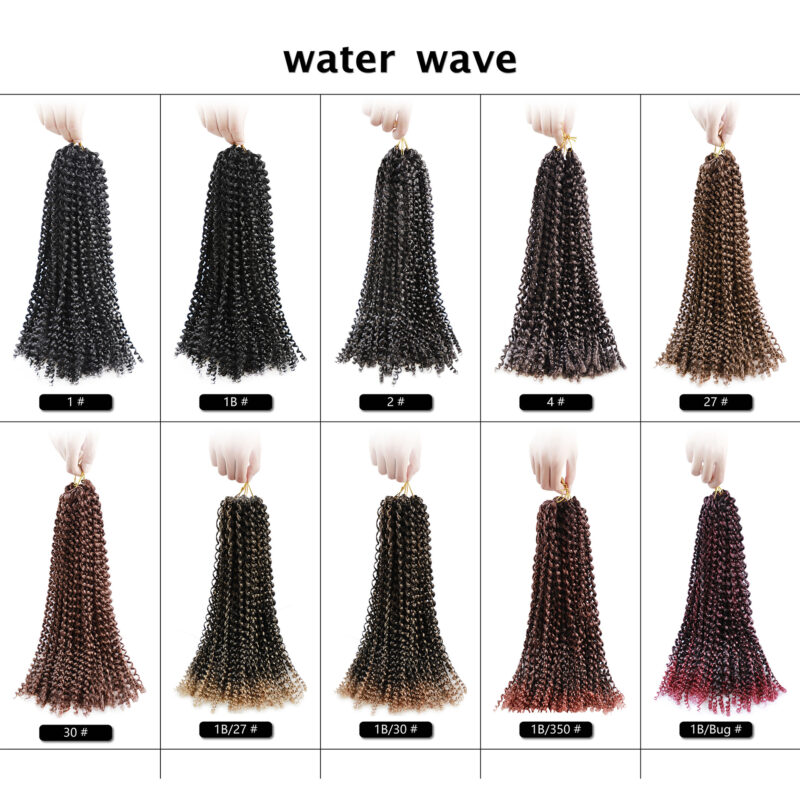
II. Human Hair
Human hair wigs are favored for their natural, realistic appearance and comfort. Depending on the region and grade, human hair wigs can be classified into the following categories:
By Region:
Chinese Hair: Coarse and hard texture, suitable for bleaching and dyeing processing, with overall good quality. It suits Asian skin tones and can present a natural sheen and texture.
Vietnamese Hair: The overall texture is similar to Chinese hair, with excellent quality. It suits Vietnamese skin tones and can present a soft sheen and natural curl.
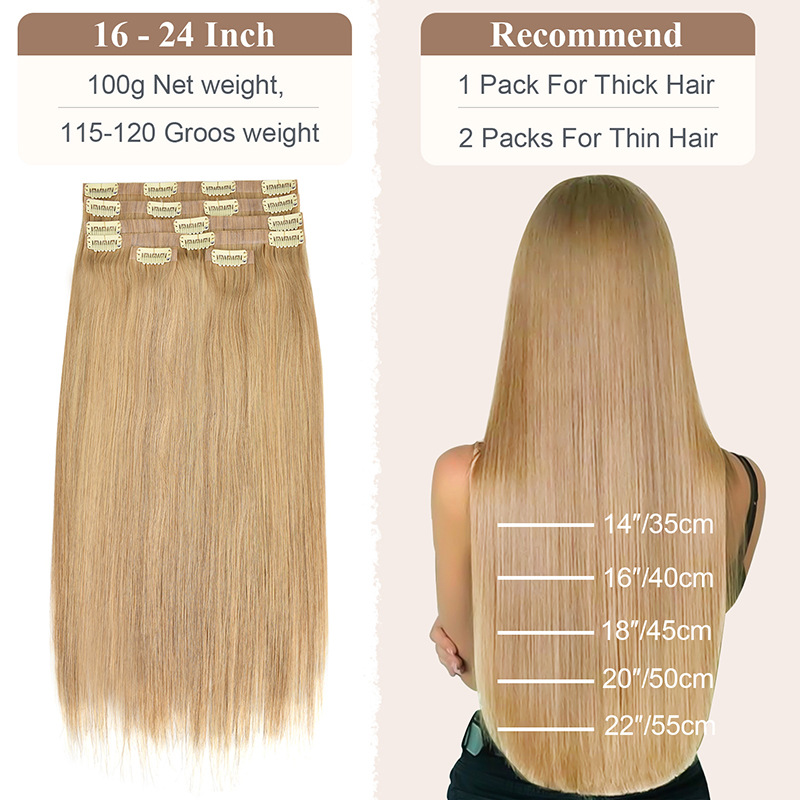
Myanmar Hair: The texture is relatively soft and not suitable for bleaching or dyeing. It has high softness but may lack some sheen and elasticity.
Indian Hair: The texture is soft but not straight, with small waves. It is prone to breaking after chemical processing and has limited plasticity. It suits Indian skin tones and can present unique wave patterns and sheen.
By Grade:
Raw Hair: Poor texture, with disordered ends, prone to tangling and shedding, and short usage lifespan.
Shaved Hair: Coarse and hard texture, relatively short in length, with a relatively long usage lifespan. It is relatively natural and suitable for various hairstyles.
Processed Raw Hair: Machine-processed raw hair with cuticle scales aligned in the same direction, but the texture is still relatively fine and soft. It is straight and soft, suitable for straight hairstyles.
Processed Shaved Hair: Machine-processed shaved hair with cuticle scales aligned in a unified direction, with a smooth and natural texture and good elasticity. It is suitable for daily wear and various hairstyle needs.
Remy Hair: The highest quality wig material, cut directly from the head in braids without any processing. It has a smooth and natural texture, is elastic and not prone to tangling, can be permed and dyed freely, and is suitable for long-term wear.
Human hair wigs have the advantages of being natural, realistic, comfortable, easy to trim and customize. At the same time, due to their good breathability, they are more suitable for long-term wear. However, due to limited sources, complex manufacturing processes, and higher care and maintenance costs, human hair wigs are usually more expensive than synthetic fiber wigs.
III. Other Materials
In addition to synthetic fiber and human hair, there are some other materials available for wigs:
Animal Hair: Wigs made from materials such as goat hair, cow hair, rabbit hair, etc., have a natural appearance and soft texture but relatively poor wear resistance. These wigs are suitable for consumers who pursue unique textures and appearances.
Plant Fibers: Wigs made from materials such as cotton fiber, grass fiber, etc., have a soft texture, comfort, and good breathability, making them suitable for summer or casual-style wigs. They can provide a cool and comfortable wearing experience.
Feathers: Wigs made from materials such as imitation parrot feathers, imitation peacock feathers, etc., are rich in color, lightweight, soft, and beautiful, making them suitable for decorative wigs for special occasions or festive themes. They can add a festive atmosphere and personal charm.
In summary, the materials for wigs are diverse, and consumers should consider their budget, frequency of wear, maintenance capabilities, and requirements for realism and comfort when making a choice.